
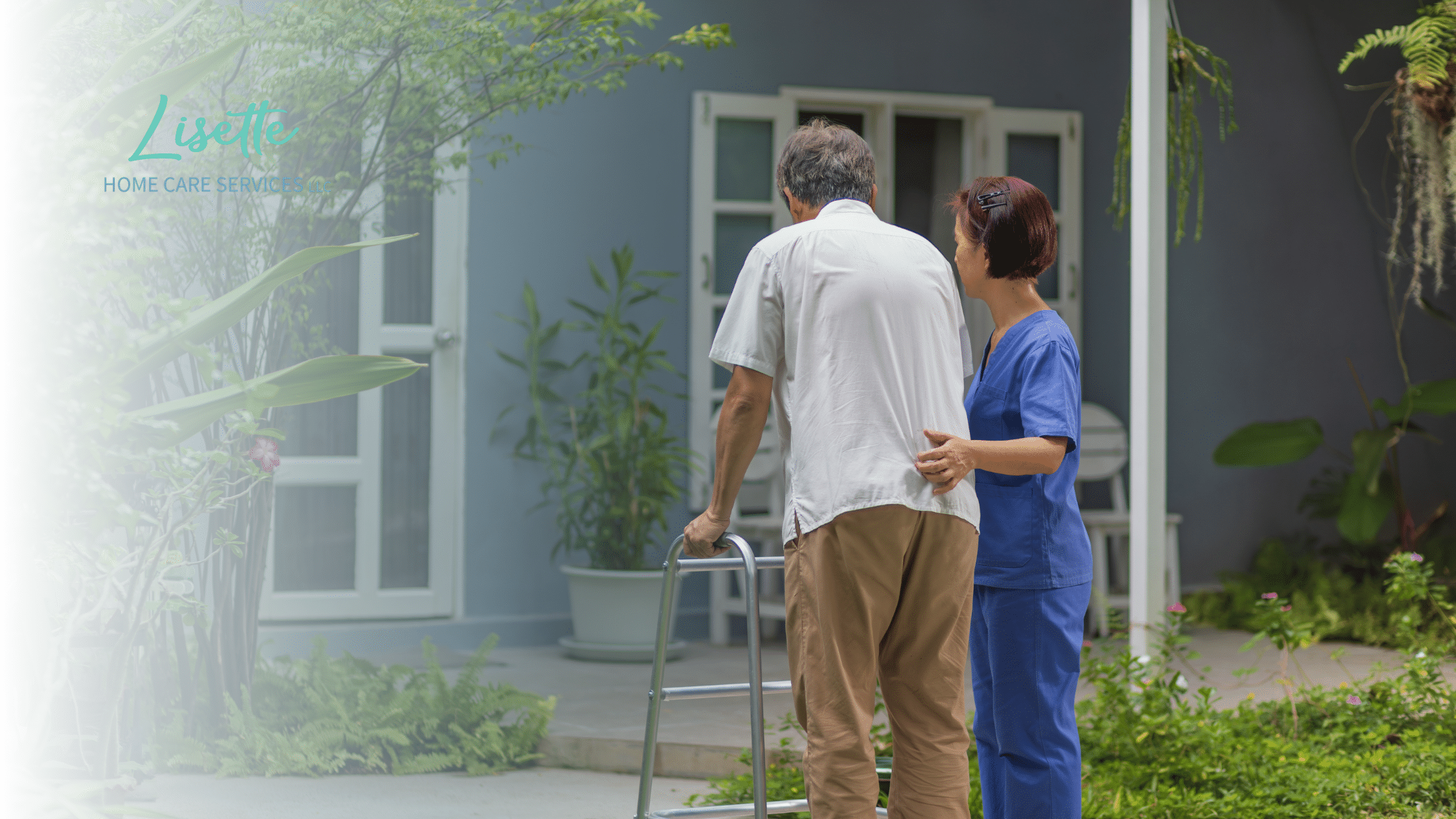
Fall brings cooler temperatures, shorter days, changing weather, and new routines for families throughout Pennsylvania.
For older adults who want to continue living independently at home, the change of seasons is also a good opportunity to take a closer look at the home environment.
Small issues that were easy to overlook during summer—poor lighting, cluttered walkways, loose rugs, difficult-to-reach household items, or outdoor maintenance needs—can become more noticeable as daylight decreases and colder weather approaches.
If you have an aging parent or loved one living in Aston, Philadelphia, Delaware County, or a surrounding Pennsylvania community, a seasonal home check can help you identify areas where additional support may make everyday life safer and easier.
Use this fall home care checklist as a starting point.
Why Fall Is a Good Time to Evaluate a Senior’s Home
Aging in place allows older adults to remain in familiar surroundings while maintaining the routines and independence that matter to them.
But a home that worked perfectly well several years ago may need adjustments as someone’s mobility, vision, strength, balance, or everyday needs change.
Fall is an especially useful time to reevaluate the home because families are preparing for:
- Shorter daylight hours
- Cooler temperatures
- Fallen leaves and wet outdoor surfaces
- More time spent indoors
- Upcoming holiday gatherings
- Winter weather
- Changes in transportation and social routines
You don’t need to completely redesign your parent’s home.
Often, small changes and a little additional assistance can make everyday routines easier to manage.
1. Start With Clear Walking Paths
Begin your fall safety check by walking through the home the way your loved one does.
Look at the routes between frequently used areas such as the bedroom, bathroom, kitchen, living room, and front door.
Remove unnecessary obstacles including:
- Shoes
- Bags
- Electrical cords
- Boxes
- Pet items
- Small furniture
- Household clutter
Make sure your loved one has enough room to comfortably move between rooms.
If they use a walker, cane, or other mobility aid, consider whether pathways provide enough space for them to navigate without having to move around furniture or other obstacles.
2. Check Rugs and Flooring
Area rugs can make a home feel warm and comfortable, but loose or curled edges can create potential tripping hazards.
Look throughout the home for:
- Loose rugs
- Curled rug corners
- Damaged carpeting
- Slippery flooring
- Uneven transitions between rooms
- Objects that are difficult to see against the flooring
Consider removing unnecessary rugs or making sure they are appropriately secured.
Also pay attention to flooring near entrances.
Rain, wet leaves, and eventually snow can bring additional moisture into the home, so keeping entrance areas dry and uncluttered becomes increasingly important during the colder months.
3. Improve Lighting Before the Days Get Shorter
Fall means less daylight.
An older adult who was accustomed to moving around the house in natural summer light may suddenly find certain areas darker in the morning or evening.
Check lighting in:
- Hallways
- Stairways
- Bathrooms
- Bedrooms
- Kitchens
- Entryways
- Porches
- Garages
Make sure frequently used pathways are adequately illuminated.
Nightlights or motion-activated lighting may also be useful in certain areas, particularly along the route between the bedroom and bathroom.
Your loved one shouldn’t have to navigate a dark room or hallway simply to reach a light switch.
4. Take a Closer Look at Bathroom Safety
Bathrooms deserve particular attention during any senior home safety check.
Water, smooth flooring, tubs, showers, and the movements required for bathing can create challenges for someone experiencing changes in balance or mobility.
Depending on your loved one’s individual needs, consider evaluating:
- Non-slip surfaces
- Secure grab bars where appropriate
- Adequate lighting
- Clear walking space
- Easily accessible toiletries
- Bath mats that stay securely in place
- Ease of getting into and out of the shower or tub
If your parent has started struggling with bathing, grooming, toileting, or other personal care routines, the issue may extend beyond changes to the home itself.
Personal care assistance can provide respectful support with everyday activities while allowing an older adult to remain involved in their own routine.
5. Prepare Entrances, Steps, and Outdoor Walkways
Don’t stop your home check at the front door.
Fall leaves, rain, and changing temperatures can affect porches, sidewalks, steps, and driveways.
Check outdoor areas for:
- Loose or damaged steps
- Unstable railings
- Poor exterior lighting
- Uneven walking surfaces
- Accumulated leaves
- Clutter around entrances
- Difficult-to-see elevation changes
Make sure handrails are secure and outdoor lighting is working before daylight hours become even shorter.
It’s also a good time to make a plan for winter.
Who will handle leaves now and snow or ice later?
If your aging parent normally manages outdoor chores independently, consider whether those tasks are still comfortable and appropriate.
6. Move Frequently Used Items Within Easy Reach
Everyday household items shouldn’t require climbing, excessive stretching, or frequent bending.
Take a look at how your loved one uses the kitchen, bathroom, bedroom, and laundry areas.
Frequently used items might include:
- Dishes and glasses
- Cooking supplies
- Food
- Toiletries
- Clothing
- Towels
- Cleaning supplies
- Linens
Moving these items to comfortable heights can simplify daily routines.
This is particularly helpful in the kitchen, where reaching overhead while carrying dishes or ingredients may become more difficult as mobility changes.
7. Check the Kitchen and Food Supply
A home safety check is also a good opportunity to see how your loved one is managing meals.
Look in the refrigerator and pantry.
Is there enough food available?
Are groceries being used before they expire?
Is your parent preparing meals regularly?
Have they started relying primarily on snacks or convenience foods?
Sometimes the challenge isn’t appetite—it is everything required to prepare a meal.
Grocery shopping, carrying bags, standing at the counter, preparing ingredients, cooking, and cleaning afterward can require considerable energy.
If meals are becoming difficult, home care can provide assistance with meal preparation and other household routines.
8. Review Medication Routines
Fall is also a good time to look at whether your loved one’s normal routines have changed.
If they follow an established medication schedule, consider whether they’re having more difficulty remembering when medications should be taken.
Changes in sleep, meals, appointments, or other routines can sometimes make an established schedule harder to follow.
Caregivers may provide medication reminders as part of non-medical home care.
Questions about prescriptions, dosages, side effects, missed doses, or medication changes should always be directed to an appropriate healthcare professional or pharmacist.
9. Prepare for Transportation Changes
As daylight decreases and weather becomes less predictable, transportation can become another concern.
Your parent may still drive independently but feel less comfortable driving after dark, in heavy rain, or eventually during winter weather.
Ask how they feel rather than making assumptions.
If transportation is becoming more difficult, discuss alternatives for:
- Medical appointments
- Grocery shopping
- Prescription pickup
- Errands
- Social activities
- Family gatherings
Transportation assistance can help older adults continue participating in everyday activities without depending entirely on family members for every trip.
10. Make Sure Important Information Is Easy to Find
Families should know where important information is located before an urgent situation occurs.
Consider keeping essential contacts in an accessible place.
That might include contact information for:
- Family members
- Physicians
- Pharmacy
- Home care agency
- Building management or maintenance
- Trusted neighbors
- Other important services
Make sure your loved one also knows whom to call when they need assistance.
Preparation can reduce confusion when something unexpected happens.
11. Pay Attention to Changes in Personal Care
The condition of the home can tell you something about how an older adult is managing, but so can changes in their personal routine.
You may notice that your loved one:
- Is bathing less frequently
- Has difficulty getting dressed
- Wears the same clothing repeatedly
- Seems less interested in grooming
- Has difficulty getting in or out of the shower
- Moves more slowly around the home
- Appears increasingly tired by everyday activities
These changes don’t automatically mean someone can no longer live independently.
They may simply indicate that certain activities now require more effort.
A little personal care assistance can sometimes make it easier for an older adult to continue maintaining their familiar routines at home.
12. Consider Companionship as the Weather Changes
Home safety isn’t only about preventing physical hazards.
As temperatures drop and daylight decreases, some older adults begin spending more time at home.
Someone who was regularly sitting outside, taking walks, seeing neighbors, or participating in community activities during summer may have fewer opportunities for social interaction during fall and winter.
Pay attention to whether your loved one seems increasingly isolated.
Regular family visits, phone calls, social activities, and companion care can help older adults stay connected and engaged.
A companion caregiver can spend time talking, playing games, reading, taking walks, participating in hobbies, or simply providing a friendly presence during the day.
13. Think About the Family Caregiver’s Needs, Too
Preparing for fall shouldn’t focus exclusively on the older adult.
Consider the people providing unpaid care as well.
Has one family member gradually taken responsibility for:
- Grocery shopping
- Meals
- Transportation
- Personal care
- Housekeeping
- Appointments
- Medication reminders
- Companionship
- Household management?
Family caregiving responsibilities can grow slowly, making it difficult to recognize how much one person is managing.
Respite care can provide temporary support so family caregivers have time for work, appointments, travel, family responsibilities, or simply rest.
Supporting the caregiver is an important part of supporting the person receiving care.
14. Use Holiday Visits as an Opportunity to Observe
Fall leads directly into the holiday season, when many families spend more time together.
If you don’t see your aging parent every day, an upcoming visit can provide valuable insight into how they’re managing at home.
Rather than turning the visit into an inspection, simply pay attention.
Has anything changed since the last time you visited?
Is the house being maintained?
Is there food available?
Does your parent seem comfortable moving around?
Are stairs becoming difficult?
Are everyday routines taking noticeably longer?
Do they seem lonely or overwhelmed?
Small changes can be easier to address before they become major challenges.
15. Consider Whether Additional Home Care Would Help
Sometimes making the home safer is only part of the solution.
An older adult may live in a well-organized, accessible home but still struggle with everyday activities.
This may include:
- Bathing and grooming
- Dressing
- Toileting
- Meal preparation
- Laundry
- Light housekeeping
- Medication reminders
- Transportation
- Companionship
- Mobility
- Other daily routines
In these situations, non-medical home care can provide another layer of support.
Care can be tailored around what the individual actually needs rather than assuming every senior requires the same schedule or level of assistance.
A Fall Home Care Checklist for Families
As you prepare your aging parent’s home for the season, ask yourself:
Are walking paths clear and easy to navigate?
Are rugs and flooring secure?
Is there adequate lighting throughout the home?
Is the bathroom comfortable and accessible?
Are outdoor steps and railings secure?
Can frequently used items be reached easily?
Is there enough food in the home?
Are meals being prepared regularly?
Is transportation becoming more difficult?
Has your loved one’s personal care routine changed?
Are they spending more time alone?
Is a family caregiver becoming overwhelmed?
Would additional assistance make everyday life easier?
You don’t need to wait until every answer becomes a concern.
Addressing small challenges early can make it easier to adapt the home and care routine gradually.
Fall Home Care in Aston, Philadelphia & Delaware County, PA
Preparing an aging parent’s home for fall is about more than changing lightbulbs or clearing leaves.
It’s an opportunity to look at the bigger picture and ask whether your loved one’s home, routines, and current support system are still meeting their needs.
Lisette Home Care Services provides personalized non-medical home care in Aston, Philadelphia, Delaware County, and surrounding Pennsylvania communities to help older adults remain comfortable and independent at home.
Our services include personal care, home support, companionship, meal preparation, medication reminders, transportation, respite care, 24-hour live-in care, and other assistance tailored to the individual’s needs.
We also offer complimentary assessments to help families better understand their care options and develop a personalized plan.
If you’ve noticed changes in an aging parent’s ability to manage everyday activities, fall is a great time to start the conversation.
Aston, PA
📍 100 Springbrooke Blvd., Aston, PA 19014
📞 (484) 480-6669
✉️ info@lisettehcs.com
Philadelphia, PA
📍 2601 Pennsylvania Ave., Suite CU-07, Philadelphia, PA 19130
📞 (215) 494-0033
✉️ info@lisettehcs.com
Check Out Our Recent Posts
- Preparing Your Aging Parent’s Home for Fall: A Home Care Checklist
- Personal Care at Home: Helping Seniors Maintain Dignity and Independence
- How Home Care Helps Seniors Maintain a Healthy Daily Routine
- You Don’t Have to Do It Alone: Support for Family Caregivers
- 7 Signs Your Loved One May Need Extra Help at Home